

Database Hub
A Database Hub is a centralized interface that consolidates and manages multiple databases

Empowering Industries with Data-Driven Solutions
What is a Database Hub?
A Database Hub is a centralized interface that consolidates and manages multiple databases—whether SQL, NoSQL, on-premises, or cloud-based—into a single unified platform. It helps organizations streamline access, monitoring, and governance across fragmented data systems.
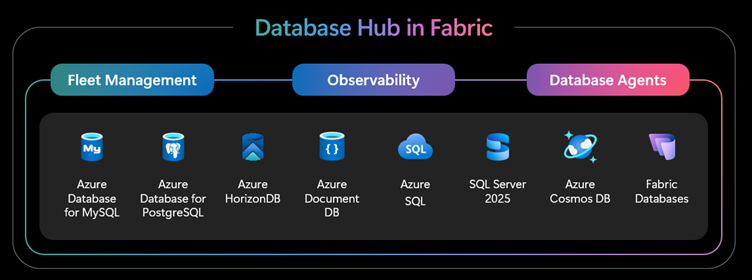
- Centralized control for multiple databases
- Supports cloud, hybrid, and on-prem environments
- Improves visibility across distributed data systems
How Does a Database Hub Work?
A Database Hub operates through a centralized control plane that integrates various database systems. It enables real-time monitoring, AI-driven insights, and automated policy enforcement without requiring changes to existing database setups.
- Unified dashboard for database control
- Real-time performance monitoring
- AI-powered insights and automation
- Policy enforcement for security and compliance
Key Features of a Database Hub
Database hubs provide a comprehensive set of tools to manage, monitor, and secure enterprise data efficiently across environments.
- Single access point for all databases
- Performance tracking (uptime, latency, usage)
- Security and governance with auditing and policies
- AI-driven anomaly detection and recommendations
- Support for hybrid and multi-cloud environments
Benefits of a Database Hub
Implementing a database hub allows organizations to simplify operations and gain better control over their data infrastructure.
Advantages include:
- Simplified database administration
- Improved operational efficiency
- Enhanced data governance and security
- Better decision-making with AI-driven analytics
- Reduced complexity in managing multiple systems
Who Should Use a Database Hub?
Database hubs are ideal for organizations dealing with complex and distributed data environments.
- Hybrid or multi-cloud enterprises
- Compliance-driven industries
- AI and analytics-focused organizations
- Businesses managing multiple databases
- Teams requiring better data visibility
- Organizations aiming for faster decision-making
Database Hub in Microsoft Fabric
In the :contentReference[oaicite:0]{index=0} ecosystem, the Database Hub integrates services like Azure SQL and PostgreSQL into a unified experience. It allows seamless connectivity with OneLake, analytics tools, and AI-driven solutions without requiring data migration.
- Unified experience across multiple database services
- Integration with analytics and AI tools
- End-to-end data management from a single platform
Database Hub in Simple Terms
A Database Hub acts as a control center for all your databases, making it easier to manage, secure, and analyze data from one place.
Key Takeaways
- Enables efficient management of multiple databases
- Eliminates data silos for better collaboration
- Supports both cloud and on-prem systems
- Leverages AI and analytics for optimization
- Provides secure and reliable data infrastructure
Database Hub Insights
1. What types of databases can a Database Hub manage?
A Database Hub can manage SQL, NoSQL, cloud-based, and on-premises databases, providing a unified platform for handling diverse data systems.
2. How does a Database Hub improve efficiency?
By centralizing monitoring, governance, and automation into a single interface, it reduces manual effort and simplifies database operations.